by Pawan Barapatre | Aug 25, 2025 | Philosophy
Explore the Stoic method of preparing for challenges by visualizing difficulties in advance. Stoic philosophy offers many powerful tools for building resilience, and one of the most transformative is negative visualization. Also known as premeditatio malorum (“the...
by Pawan Barapatre | Aug 25, 2025 | Philosophy
Learn the power of nightly reflection in Stoicism to build wisdom and improve daily life. The Stoics believed that a good life requires constant self-examination. One of their most powerful practices was the habit of evening reflection—a simple routine of reviewing...
by Pawan Barapatre | Aug 25, 2025 | Philosophy
Discover how Stoics used journaling for self-reflection, clarity, and personal growth. Journaling is not a modern self-help trend—it’s an ancient practice that the Stoic philosophers used to strengthen their minds, cultivate virtue, and live with purpose. From Marcus...
by Pawan Barapatre | Aug 24, 2025 | Philosophy
A calm and focused mind sets the tone for the entire day. The Stoics, from Marcus Aurelius to Seneca, emphasized beginning the day with reflection, purpose, and preparation for life’s challenges. A Stoic morning routine helps cultivate resilience, clarity, and inner...
by Pawan Barapatre | Aug 24, 2025 | Philosophy
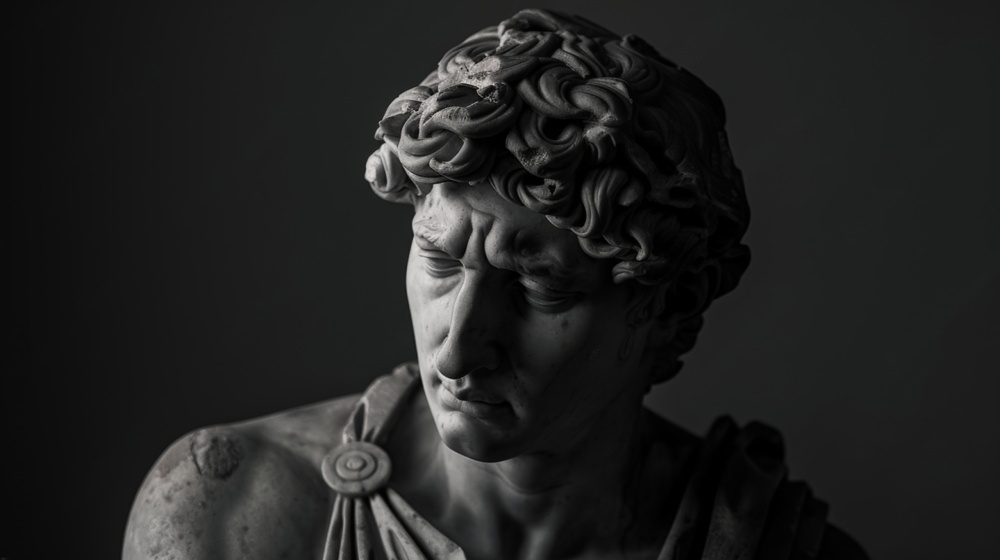
Stoicism teaches that the universe is governed by divine reason (Logos), a rational order connecting all things. For the Stoics, God and nature are intertwined: the universe itself is divine, and every human is part of this greater whole. Understanding this cosmic...