by Pawan Barapatre | Aug 20, 2025 | Philosophy
Throughout history, philosophers have debated the question: What is the key to a good life—virtue or pleasure? While some schools, like Epicureanism, emphasized pleasure as the highest goal, the Stoics firmly believed that virtue, not pleasure, leads to true...
by Pawan Barapatre | Aug 20, 2025 | Philosophy
At the heart of Stoic philosophy lies the belief that logic and reason are the most powerful tools we possess. The Stoics taught that while we cannot control external events, we can control how we think about them. By applying logic and rational thinking, we can...
by Pawan Barapatre | Aug 20, 2025 | Philosophy
When most people think of happiness, they imagine wealth, pleasure, or external success. But for the Stoics, true happiness had nothing to do with luxury or material possessions. Instead, happiness was rooted in virtue, wisdom, and inner peace—things that no one can...
by Pawan Barapatre | Aug 19, 2025 | Philosophy
One of the core principles of Stoic philosophy is the idea of “living in accord with nature.” But what does this actually mean? To the Stoics, living according to nature wasn’t about retreating into the wilderness—it was about aligning your life with reason, virtue,...
by Pawan Barapatre | Aug 19, 2025 | Philosophy
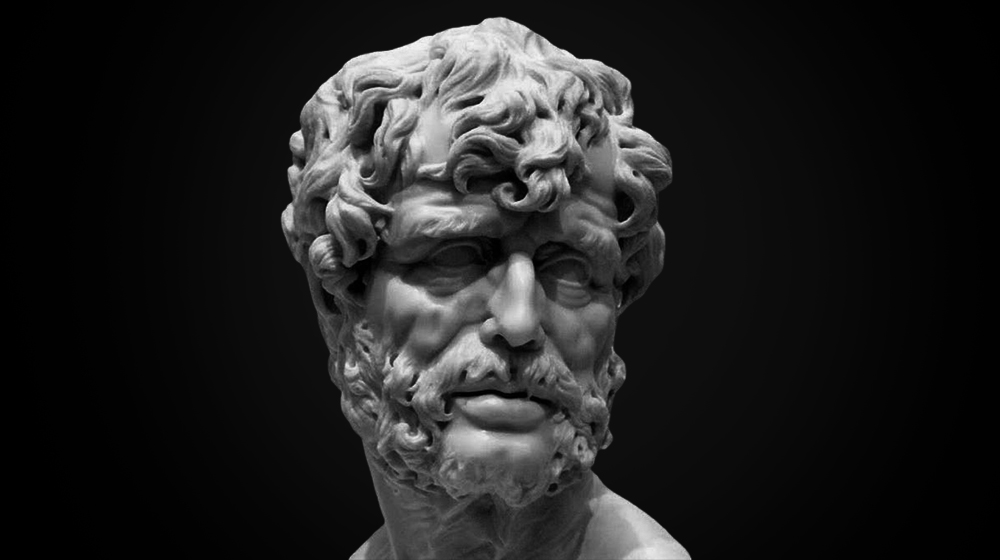
Life often feels long, yet many of us reach the end realizing we have wasted precious years on trivial pursuits. The Stoic philosopher Seneca, in his timeless essay On the Shortness of Life (De Brevitate Vitae), reminds us that life is not short—we simply misuse our...